Botox has a reputation for being quick, predictable, and subtle when done well. That holds true for recovery too, but small details make a big difference in how you look and feel over the first week. I have watched hundreds of patients plan work meetings, date nights, flights, and photo sessions around their injections. The same patterns show up every time: minimal downtime, a few manageable side effects, and a clear timeline for results. If you know what to expect, you can schedule your botox appointments with confidence and make smart choices about aftercare.
What happens under the skin
Botox is a purified neuromodulator that temporarily relaxes targeted muscles. It blocks the release of acetylcholine at the neuromuscular junction, which reduces contraction in the muscle fibers that create dynamic lines. That mechanism explains the botox results timeline: the medication needs time to bind, the nerve endings need time to quiet down, and the overlying skin needs time to smooth. You do not leave the clinic looking dramatically different. Effects build gradually over several days.
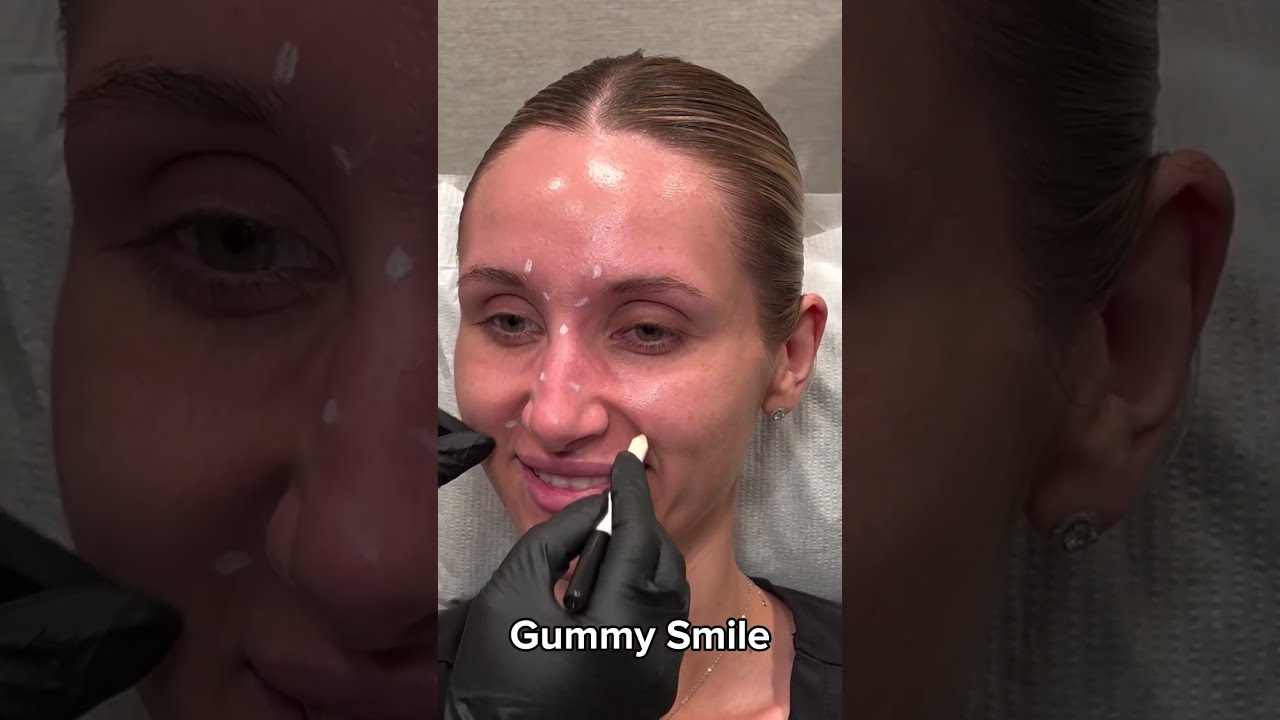
The areas most commonly treated include the forehead, glabella (frown lines between the brows), and lateral canthus (crow’s feet). Providers may also treat the masseter for jawline slimming or bruxism, the chin for dimpling, the platysmal bands in the neck, and microinjections around the lips or under eyes in carefully selected patients. Each botox treatment area has its own risk profile: the forehead and brow are more sensitive to placement and dosage because brow heaviness or eyelid ptosis can occur if toxin diffuses into the levator muscle. Around the eyes, bruising is slightly more likely due to superficial vessels. In the masseter, swelling can feel firmer because the muscle is thicker.
Downtime: what it actually looks like
Most people walk out of the clinic with small, raised blebs that look like mosquito bites at each injection site. These resolve within 20 to 60 minutes. Makeup can usually be applied gently after two hours as long as the skin is clean and not irritated. The true “downtime” is less about how you look and more about what you should avoid during the first 24 hours to reduce botox side effects and keep the product where it belongs.
I advise patients to plan a normal day without strenuous activity. You can answer emails, attend a meeting, or take a short walk. Avoid hot yoga, spin classes, and weight training until the next day. Skip steam rooms, saunas, and very hot showers that first evening. You do not need to hide at home, but you do want to respect the early window when diffusion is most likely.
The bruising factor
Bruising after botox injections is common enough to plan for, but usually small. A seasoned injector knows the vascular map of the face, uses light pressure and appropriate needle depth, and ices between passes. Even with good technique, the face has many superficial vessels, and one nick is all it takes. Higher bruising risk shows up in people who are on aspirin, naproxen, or ibuprofen, those taking fish oil, high-dose vitamin You can find out more E, or ginkgo, and anyone with a history of easy bruising. If you can safely pause non-essential supplements a week before your botox appointment, you may reduce bruising. If you take a prescription blood thinner, do not stop it for cosmetic injections without your doctor’s approval. In that scenario you accept a slightly higher risk of bruising and plan makeup or timing accordingly.
The size of a bruise tells you very little about the outcome of the botox itself. Even a purple coin-sized bruise over the crow’s feet area has almost no impact on the botox effectiveness beneath it. Bruises resolve on their own, usually within 3 to 10 days depending on size and location. Cool compresses during the first 24 hours help with comfort. After day one, brief warm compresses can speed clearing. Topical arnica or vitamin K creams are reasonable if your skin tolerates them, although evidence is mixed. For unavoidable events like weddings or photo shoots, book your botox session 2 weeks in advance so you have room for a bruise to fade and for the botox results to peak.
Swelling: short and subtle
Post-injection swelling is usually mild and short-lived. In the forehead or glabella, small bumps settle within the hour. Around the eyes, puffiness can linger into the evening because the eyelid area holds fluid more readily. With masseter or neck injections, expect a little fullness the first day. True inflammatory swelling that worsens over 48 hours is uncommon and warrants a check with your provider to rule out a localized reaction or infection.
Patients often confuse swelling with the early sensory changes botox can cause. As muscles begin to relax, the skin may feel heavier or tight for a day or two, especially in the forehead. That sensation softens as your brain adjusts to the reduced muscle activity and the skin sits more still.
" width="560" height="315" frameborder="0" allowfullscreen="" >
The first 72 hours: small decisions that steer your outcome
The initial three days shape your recovery more than anything else. During this window, botox diffuses in the local tissue and binds to receptors. Gentle handling protects placement. I ask my patients to stay upright for four hours after injections, avoid rubbing or massaging the treated areas, and skip facials or aggressive skincare that night. Lightly washing your face and applying a familiar moisturizer is fine. Avoid exfoliating acids, retinoids, and microcurrent devices for 24 hours. Do not wear tight headbands or hats that compress the forehead if you had botox for forehead lines.
Sleep on your back if you can the first night. Does side sleeping ruin results? Not typically, but heavy, direct pressure on fresh injection sites is one variable you can control. Alcohol in the first evening can increase flushing and prolong minor bruising, so postpone the celebratory cocktail until the next day.
How the timeline unfolds
Botox results do not arrive all at once. Most people start noticing softened movement at 48 to 72 hours. The glabella often responds first, then the crow’s feet, with the forehead catching up by day 5 to 7. Peak effect typically lands between days 10 and 14. This matters when you schedule your follow-up. A reasonable touch-up window is 10 to 21 days after the botox procedure, so your provider can judge your final response and balance any asymmetry. Going too early risks overcorrection because the medication may not have fully settled.
Duration varies by dose, metabolism, and muscle strength. A standard cosmetic dose for the glabella might hold 3.5 to 4 months. Crow’s feet can last 3 to 4 months. Forehead treatment can last 2.5 to 4 months because dosing is often conservative to protect brow position. Masseter treatments last longer for contour changes, sometimes 4 to 6 months as the muscle reduces in bulk over time. People who metabolize quickly, athletes with higher blood flow and muscle mass, or those with very strong baseline movement may see a shorter duration on the lower end of those ranges.
What normal looks like, and what does not
It helps to separate expected sensations from red flags. Normal includes tiny pinpoint marks at injection sites for several hours, a faint headache the evening of treatment, mild tightness as movement decreases, and a bruise or two that starts purple then fades through green and yellow. Normal also includes a slight mismatch side to side during the first week as different areas “turn off” at different speeds. Your face is not a mirror image; neither is your response timeline.
Atypical events include significant pain, spreading redness and warmth, fever, or pus at an injection site, which suggest infection and require immediate attention. Eyelid droop, or ptosis, can appear around days 3 to 7 if toxin diffuses into the levator palpebrae. It often looks like a heavy upper lid on one side. While it is temporary, it can last several weeks. Eye drops like apraclonidine or oxymetazoline may help lift the lid a millimeter or two while the effect declines. Marked brow heaviness with difficulty keeping the eyes open can result from over-relaxation of the frontalis. Your provider may use small counterbalancing doses in the glabella or hairline to improve function without sacrificing the botox benefits for wrinkles. Severe headache, double vision, trouble swallowing, or generalized weakness are extremely rare with cosmetic dosing. If they occur, seek medical care and notify your provider.
Planning around life events
For first-timers, I recommend scheduling botox injections 2 to 3 weeks before a major event. That covers peak results and gives time for any bruise to fade. For maintenance sessions, people with predictable responses sometimes book closer, around 10 to 14 days out. Avoid scheduling on the same day as a long flight. Air travel does not ruin botox, but you cannot ice as easily in transit, cabin air is dry, and luggage handling is not the time to be gentle with your face. Workouts can resume the day after treatment, starting light and returning to full intensity on day two.
Technique matters more than brand
Patients often ask about botox vs dysport or other neuromodulators. Each formulation differs slightly in protein complex and diffusion profile, but experienced injectors achieve similar outcomes by adjusting dose and placement. The botox injection technique, needle gauge, depth, and vector mapping matter more than the label. Microdroplet patterns near the brow tail can brighten the eyes if placed correctly. Too low or too much can press the brow down. For crow’s feet, a balance between superficial and slightly deeper injections helps smooth lines without flattening your smile. The goal is a natural look, not a frozen one.
Aftercare that actually helps
Simple, evidence-informed aftercare makes recovery smoother. Cold compresses for the first few hours calm redness and reduce discomfort. Hydrate, keep salt intake moderate, and wait a full day before any vigorous facial massage or gua sha. If you use retinoids, pause for one night. If you book a facial, schedule it for a week later. Taking acetaminophen is fine for a mild headache. Anti-inflammatory drugs can increase bruising risk, so hold them if you can and your physician agrees.
Below is a short, practical checklist many patients find useful.
- Keep your head elevated and avoid lying flat for 4 hours after injections. Do not rub or massage treated areas for 24 hours. Skip strenuous exercise, saunas, and steam rooms until the next day. Use cool compresses the first evening if you are puffy or tender. Book follow-up or touch-up 10 to 21 days after treatment, not earlier.
Cost, value, and realistic expectations
Botox pricing varies by region, injector experience, and whether you pay by unit or by area. Per-unit pricing in many U.S. cities ranges from roughly 10 to 20 dollars. The glabella often takes 15 to 25 units, crow’s feet 8 to 12 per side, the forehead 8 to 16 depending on anatomy and goals. Packages, botox specials, and loyalty programs can lower cost over time. Clinics that list botox deals may bundle touch-ups or combine botox with skincare. Cheaper is not always better. Compared to the price difference between a novice and a seasoned botox professional, the cost of an unwanted brow drop is much higher in frustration and months of waiting.
Insurance coverage does not apply to cosmetic use, but botox for migraines, cervical dystonia, or other botox near me medical indications may be covered under a separate evaluation and dosing plan. Do not try to cross-reference cosmetic units to therapeutic dosing without medical guidance. The two are not interchangeable.
Who bruises less and recovers faster
Patterns stand out across patients. Those who hydrate well, avoid alcohol the night before, and skip non-essential blood thinners tend to have smaller bruises. People who ice in the clinic and at home for the first hour feel less tender. Patients with strong, heavy foreheads do better with conservative dosing and a staged approach to avoid brow heaviness. If you have thin skin with many visible vessels around the eyes, you may benefit from smaller, more superficial batches to reduce bruising risk. Discuss these details during your botox consultation rather than assuming a one-size plan.
Managing anxiety if it is your first time
The most common worry is looking unnatural. The second is bruising in an obvious spot. Clear direction and a tiny test dose can help ease both fears. New patients often start with the glabella alone, come back at two weeks, and then add crow’s feet or a light forehead treatment once they see the before and after difference. Photos help. If your clinic offers standardized botox before and after pictures, review them with your provider. Look for results that match your taste: smooth but expressive, not shiny and flat.
Expect mild injection pain. Tiny needles and slow injections help. Ice or vibration devices distract nerve signaling and reduce sting. If you are needle-averse, ask the nurse to cue your breathing: long exhale as the needle goes in, pause, then slow inhale. This simple pattern lowers perceived pain.
Special cases: under eyes, lips, and the neck
Under-eye botox is nuanced. The skin is thin, vessels are close to the surface, and diffusion risk is higher. Microdoses can soften a bunching orbicularis or reduce fine lines, but too much weakens support and makes the area look heavier. If under-eye lines bother you more at rest than in motion, consider botox alternatives like resurfacing lasers or microneedling with PRF. For the lip area, a lip flip uses small injections into the orbicularis oris, which can soften vertical lip lines and slightly evert the upper lip. You may notice difficulty with drinking from straws for a week. Neck bands respond well to carefully placed doses in the platysma, but neck anatomy varies, and dosing should be conservative at first to avoid swallowing strain.
Safety, selection, and setting
Choose a botox licensed provider who understands facial anatomy and asks about your medical history, migraine patterns, prior neuromodulator use, and aesthetic priorities. A medical spa can be an excellent setting when a supervising physician or experienced injector is on site and available. Clean technique, single-use needles, correct dilution, and properly stored product are basic safety checkpoints. Beware of deep discounts that seem too good to be true. Authentic botox arrives with lot numbers and specific packaging. If you are searching “botox near me,” spend a few minutes on botox practitioner reviews, but weigh recent, detailed feedback over anonymous star counts.
Maintenance that respects your face
The best botox schedule adapts to your response. If your glabella is still quiet at 3 months but your crow’s feet are moving, top up the eyes and wait on the center. If you like a soft forehead but your brow naturally sits low, keep the forehead dose lighter and rely more on glabellar treatment to prevent a heavy look. Many patients settle into botox sessions every 3 to 4 months, with small seasonal adjustments. If you are on the shorter end of duration, talk with your provider about modestly increasing dose or refining placement rather than automatically shortening the interval. Skin care supports results. Daily sunscreen, a well-tolerated retinoid, and consistent hydration help fine line smoothing that botox alone cannot achieve.
When to call your provider
No one likes uncertainty with their face. Reach out if you notice significant asymmetry after day 7, a new droop of the upper eyelid, persistent headache unrelieved by rest and hydration, or any signs of infection like expanding redness, warmth, or fever. Experienced injectors expect to see you at the 2-week mark and will make small adjustments when needed. Do not try to massage a heavy brow into behaving. You can unintentionally worsen the problem.
A quick comparison with fillers
Patients often pair neuromodulators with fillers and ask about stacking recovery. Botox relaxes muscles, which reduces dynamic wrinkles. Fillers add volume or support structure. The risk profile differs. Fillers carry a small risk of vascular occlusion and more potential for visible swelling in the first 48 hours. If you are doing both, many providers treat with botox first, then schedule fillers a week later once muscle movement is already diminishing. That separation reduces confusion if you swell or bruise and keeps aftercare simpler.
The practical bottom line
Botox recovery is straightforward for most people: back to normal activity the next day, makeup by evening, subtle changes building over a week, and peak smoothing by two weeks. Minor bruising and transient swelling happen, but they rarely interfere with work or social plans if you schedule with a little cushion. Careful aftercare keeps the odds tilted in your favor.
For patients who like concise reminders, here is a short planning guide.
- Schedule 2 weeks before big events to allow peak results and bruise fade. Pause non-essential blood-thinning supplements 7 days prior if medically safe. Plan light activity only for 24 hours after injections. Book follow-up at 10 to 21 days for fine-tuning. Keep consistent photos to assess botox before after changes and guide future dosing.
With the right provider, a tailored botox treatment plan, and a realistic sense of recovery, you can preserve expressiveness while easing the lines that bother you. Thoughtful choices on day one set you up for weeks of smooth, natural results and an easy path to maintenance.