A camera catches everything. The micro-crinkles at the nose when you laugh, that faint accordion at the lip border when you sip through a straw, the way your brows inch upward in high-stakes meetings. The goal of modern injectables is not to erase those expressions, but to tune them, so people see you in your best light without knowing why you look well rested. This is an approach built on restraint, anatomy, and rhythm, not on filling every line until the face stops moving.
What “natural” means in practice
Natural expression preservation starts with the premise that your face is a moving system, not a static canvas. The same muscle that creates warmth and expression can also etch a crease when it overworks or pulls against opposing muscles. Aesthetic neuromodulators, often called wrinkle relaxers, act like a volume dial rather than an on-off switch. When used conservatively and in strategic locations, they reduce the excess pull that deepens lines while keeping the muscle’s core function.
Clients often ask for “just a touch” of refinement. In technical terms, that means dose tailoring by muscle, and precise placement along vectors of pull. You might see two people with similar lines at rest who require very different plans because their movement patterns diverge. One person frowns as a habit while thinking, another repeatedly scrunches the nose to correct slipping glasses, a third speaks with strong perioral animation. These subtle differences decide where we place product, not the lines alone.
Myths about “frozen” faces
Frozen faces come from overcorrection, poor placement, or chasing lines rather than movement. The myth persists because extreme cases are memorable. There are signs of excessive injections that any skilled injector watches for: a quizzical brow, a smile that tugs down at the corners, a nose that flares less on one side than the other. These tell us dosing or distribution needs revision, not that neuromodulators are inherently unnatural. Quality over quantity botox is more than a slogan; it is a safety principle.
When people say neuromodulators age faces, they are usually recalling flat foreheads and heavy brows from years ago when technique was less refined. The science of wrinkle relaxers shows that dynamic wrinkles come from repeated muscle contraction that folds the skin. Reduce the intensity or frequency of that fold, and the skin has a chance to recover. Over time, the etched lines can soften, and progression slows. If doses remain conservative and balanced, the face does not lose character. It loses tension.

Where small tweaks do the most work
Faces age in patterns that repeat across decades: stronger depressors than elevators around the mouth pulling the corners south, a frown complex that scowls while the mind is elsewhere, the transverse lines at the nose from scrunching. The best subtle facial refinement injections tackle these patterns by lightening the overactive muscles that shout, while protecting the ones that speak softly.
Take the perioral area. Lip line prevention injections, sometimes called smoker line treatment injections, can quiet the vertical lines without making the mouth feel stiff. In practice, this might be a microdose pattern across the orbicularis oris, spaced to reduce pursing power without blunting speech. The key is to respect function: your whistle and straw use should remain intact. If I notice a patient habitually bites their lower lip when concentrating, I plan for that too, or else the habit will overpower a small dose.
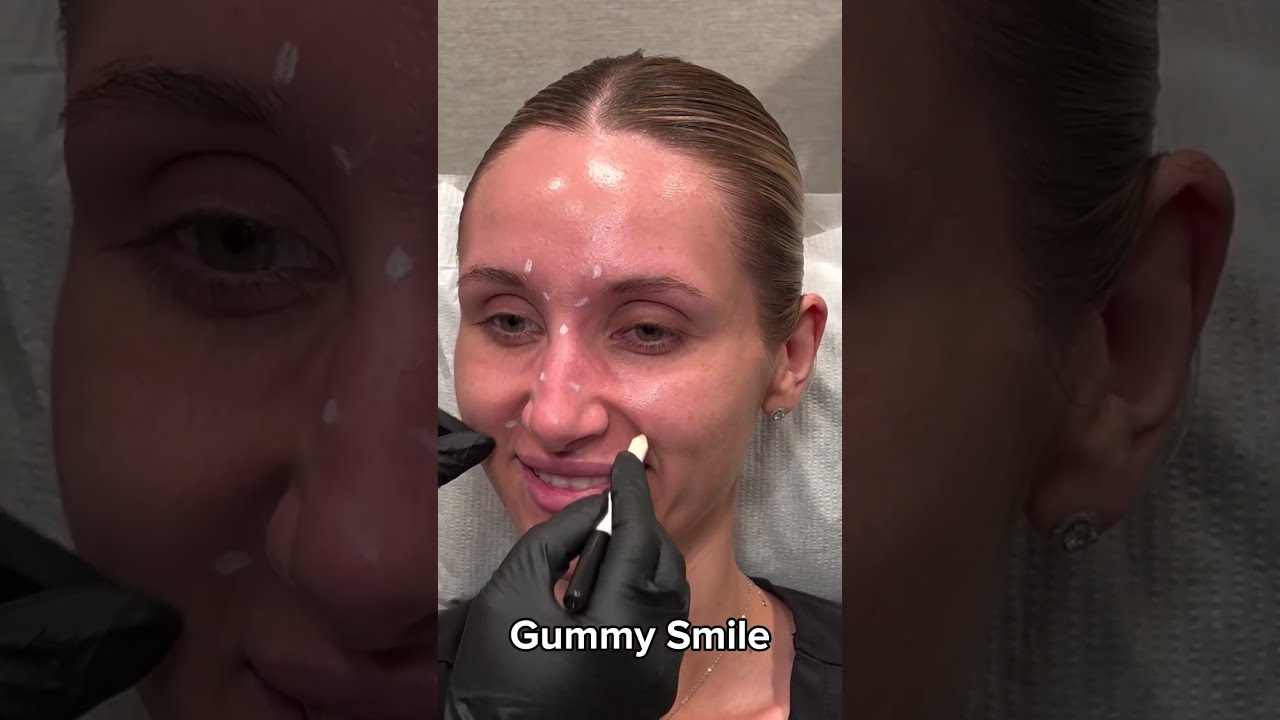
Nasal dynamics matter more than most assume. Bunny line injections can soften the diagonal creases at the top of the nose. Nose wrinkle treatment often pairs with nasal flare relaxation when broad nostril movement dominates expressions. For those whose nose tip dips when smiling, nose tip lift injections target a tiny anchor muscle that pulls the tip downward. Get this wrong and smiles can look odd. Get it right and the effect reads as a subtle lightness rather than a “done” nose.
The art behind numbers: units vs. results
Clients ask how many units they need as if the number defines the result. Units vs results is a common misunderstanding. Units define quantity, not outcome. A drop placed in the wrong vector wastes units and invites side effects. Technique over quantity injections is the safer rule. Correct dosing principles anchor to muscle mass, baseline strength, sex, metabolism, and desired mobility. In heavy frontalis muscles, for example, the same number that would freeze a smaller forehead might barely quiet movement. In smaller perioral muscles, over a few units can interrupt normal function.
I often compare dosing to seasoning. Some dishes need a pinch, some need a spoon. The cook’s hand matters as much as the spice. Two injectors can use similar totals and deliver completely different results based on patterning. This is why injector skill importance cannot be overstated, and why experience vs price injectables is not a trivial debate. Precision aesthetic injections take time to plan, even if the placement itself is quick.
Mapping movement: how we decide where to inject
Before a needle touches skin, I study the face at rest and in motion. Expression mapping injections begin with standardized photos and short videos: brow raise, frown, big smile, soft smile, exaggerated speech patterns, and a “thinking face.” I note primary vectors: which way the brow wants to move, where the nose scrunches, whether the upper lip pulls inward botox near me or upward when smiling. I also look for asymmetries that have nothing to do with age, like a favored chewing side or a sleeping position that creates sleep lines.
Movement based injection planning focuses on anchors. In the frown complex, the corrugators pull down and in, while the procerus pulls down at the nose bridge. A balanced face injection strategy lightens the depressors while preserving the lateral eyebrow’s gentle lift. In the upper lip, microdoses can reduce barcode lines without flipping the lip unnaturally. In patients who need more show at the vermilion border, I avoid heavy relaxing that would collapse support.
An important note for on-camera professionals: high-definition lighting reveals even minor imbalances. Executives, broadcasters, and public speakers often need a tight plan that considers camera angles. On camera wrinkle solutions emphasize symmetrical animation at low doses. Photogenic face treatments rarely mean zero movement. They mean predictable movement that reads well in a freeze frame.
A refresh, not a rewrite
The refresh not change philosophy guides every decision. Balanced face injections honor the face’s proportions. When I reference golden ratio injections, I am not chasing a strict formula. I use it to check whether softening one area will unbalance another. Smoothing the forehead while leaving strong depressors in the lower face can create a top-heavy look. Conversely, over-relaxing the upper lip can draw attention to nasolabial folds. The whole should look harmonious for the part to look natural.
Subtle anti aging injections also respect life context. A new parent with sleep debt and teeth grinding may benefit more from facial tension release in the masseter or a microdose in the chin to soften a mental crease that deepens with stress, rather than aggressive forehead work. Someone preparing for wedding photos might focus on nose wrinkle treatment, a small brow tune, and perioral wrinkle relaxation to ensure expressions read joyful without surprise lines stealing focus.
What lasts, what doesn’t, and how to plan
Long term aesthetic planning with neuromodulators follows a simple rhythm: start conservative, calibrate over two to three sessions, then maintain. Most products settle within a week, with peak effect at around two. Longevity ranges from about eight to sixteen weeks depending on dose, muscle strength, and metabolism. Sustainable aesthetics approach means adjusting over time as muscles adapt. Injectables and muscle memory is real in the sense that muscles weaken with consistent, conservative relaxation, so the same result sometimes requires less product after a few cycles.
Aging prevention vs correction shifts with decade and lifestyle. In your late twenties and early thirties, wrinkle progression prevention targets movement patterns before lines etch at rest. By your forties and fifties, dynamic wrinkle management still helps, but etched lines may need complementary skin therapies like microneedling, resurfacing, or biostimulators to optimize texture. The neuromodulator plan stays minimalist, focused on facial harmony over volume, and avoiding the temptation to chase static lines with more toxin when skin quality work would serve better.
How to sense when something is off
Preventing overcorrection starts with candor. I tell patients exactly what to watch for. If a brow feels heavy, if smiling feels different, if a nostril flares less than the other, or if speaking feels slightly off, we adjust. There is a short window where small tweaks can rebalance the system. Signs of excessive injections are easier to spot on video playback. That is why I ask for a 10-second check-in clip at two weeks. When a tweak is needed, it is usually micro: one to two units per point.
Symmetry within reason is the goal, not perfect mirror imaging. Most faces have a dominant side. Dose tailoring by muscle accommodates that. The left corrugator might be stronger than the right, the right DAO at the mouth corner more tuggy than its partner. Correcting those imbalances does more for confidence than blanket dosing.
Why placement matters more than product name
Different neuromodulators share the same core mechanism, with varying diffusion profiles and onset times. For most patients, the choice between common brands is less important than the injector’s pattern and hand. Technique over quantity injections, and technique over brand debates. A well-placed microdose of any reputable product beats a heavy, poorly placed dose of a premium name.
That said, the art is in controlling spread. Near delicate areas like the mouth and nose, where millimeters matter, conservative dosing approach and strategic spacing keep the expression natural. Around the forehead, placement that follows your unique lines rather than textbook diagrams avoids the telltale flat panel.
Special scenarios: weddings, keynotes, and cameras
Wedding prep injections and event ready injections follow a specific timeline. I suggest a full plan six to eight weeks before the event, with a fine-tune at the two to three week mark. This window allows adjustments and ensures you arrive camera ready without the risk of late surprises. Quick wrinkle treatments closer than two weeks can still help in small areas, but plan conservatively.
Public speaking wrinkle care prioritizes the upper third of the face and perioral control. Bright stage lights magnify glabella lines that read as stern, and excessive nostril flare when breathing through nerves can distract. Expression control injections help the message land without changing your personality. For on-camera roles, schedule a movement review on video after the initial settle. Subtle changes in nasal flare relaxation or small brow lift points often make a disproportionate impact in high definition.
Busy professional botox is popular because sessions are short with no downtime. Lunch break injections are accurate, but only when the mapping was done beforehand. The consult, photos, and plan building take time, even if the needle work is under 10 minutes.
The perioral playbook: small doses, big difference
Perioral wrinkle relaxation deserves special attention because the mouth is expressive and functional. Smoker line treatment injections do not require smoking history. Any repetitive pursing marks the skin. Microdroplets placed at the vermilion border can soften lines and prevent lipstick bleed. In those who rely on singing or public speaking, I reduce dose and favor more points to distribute effect evenly. For downturned corners, a tiny dose in the depressor anguli oris can lift the mood of the mouth without creating a frozen smile.
Sleep line correction injections around the mouth must be paired with habit coaching. Side sleeping creates diagonal lines that toxin cannot fully erase. A silk pillowcase or a cervical pillow that keeps the head neutral reduces recurrence. Habit driven wrinkle prevention advice can sound simple, but it adds months to your results.
The nose knows: bunny lines and beyond
Nose wrinkle treatment ranges from straightforward to nuanced. Bunny line injections target the nasalis muscle. If the patient overcompensates with this muscle after forehead treatment, they need a small balance dose. Too much, and you can soften the natural crinkle that makes smiles friendly. In strong nasal flare relaxation, tiny alar points reduce excessive nostril widening, which some patients find unflattering in photos. For a nose tip dip, a conservative dose at the depressor septi can create a quiet nose tip lift. Check for speech changes on “p,” “b,” and “m” sounds before the patient leaves; they should feel normal.
Maintaining identity while refreshing the face
Maintaining facial identity is a core promise. People know you by micro-movements: the slight leftward smile, the one eyebrow that likes to lift, the nose scrunch at a private joke. Responsible injectables protect these while quieting what time has amplified. Patient focused injectables means we ask what you value about your expression, not just what you dislike.
Self perception after injectables can shift in interesting ways. Some patients report feeling less irritable simply because their resting frown is softer. Botox and emotional expression is complicated; the link is bidirectional. We see our expression in mirrors and feedback from others, and it shapes mood. Confidence boosting injectables work best when you still recognize yourself. The ethical cosmetic injections stance is that confidence should come from support, not disguise.
Safety, longevity, and the minimalist mindset
Long term injectable safety rests on several habits: conservative dosing, breaks for muscles that need to recover baseline strength, and continuous reassessment of goals. Sustainable aesthetics approach favors a minimalist injectable strategy, adding when needed and removing when a muscle has learned new patterns. Aging well with injectables means accepting movement, choosing areas that deliver the biggest harmony boost, and keeping skin health in view. Neuromodulators cannot fix sun damage or volume loss; they simply rebalance motion.
Technique evolves. An injector who invests in continued training and reviews their outcomes critically will know when to change the pattern, not just the dose. Experience matters in tricky zones such as the perioral region and the nose. The best work is invisible. If people say you look rested, if makeup sits better around the lips and nose, if the camera likes you a little more, the plan is working.
What a first visit looks like
A thorough first session has a rhythm. We discuss your history, goals, and work demands. I ask about public-facing roles, sports, breathing patterns, orthodontic work, sleep position, and stress. I review any previous injections and how they wore off. Facial muscle assessment comes next: resting photos, expression videos, and palpation to feel muscle bulk. I sketch a movement map on an image and propose a conservative plan, explaining why placement matters and how technique shapes results.
The injection itself is quick. Most patients describe the feeling as a pinprick that fades instantly. No downtime injectables means you can return to work, but I ask for simple aftercare: no heavy sweating for 24 hours, no facial massage, and stay upright for several hours. Event clients should schedule follow ups earlier than usual to fine-tune. That is the difference between adequate and outstanding.
When less is smarter
There are moments to hold back. If the skin is creased at rest with deep etching, a neuromodulator alone may do little. Chasing depth with more units invites stiffness without surface improvement. We discuss adjuncts like resurfacing or collagen-stimulating treatments. If a patient seeks a full lip flip but already has a short upper lip, a heavy flip risks gum show and speech changes. If a brow is naturally low-set, relaxing the forehead aggressively can push heaviness over the eyes. Preventing overcorrection sometimes means saying no, or suggesting a different path.

This minimalist stance is not frugality for its own sake. It protects your ability to age well. Small, consistent, well-placed doses keep options open. Overdoing a pattern makes it harder to recover a natural cadence of movement later, and muscle recruitment can shift in odd ways. The face is a team; benching the wrong player forces others into roles they cannot play.
A quick reference for choosing an injector
- Look for a consultation that includes movement mapping, not just a quick glance at rest. Expect a conservative first dose with a planned follow-up for calibration. Ask how they handle asymmetry and what signs of excessive injections to watch for. Review unfiltered before-and-after photos that include expressions, not only neutral faces. Choose experience and communication over the lowest price.
Scenarios where neuromodulators shine
- You purse your lips often and see faint vertical lines at the border, and you want lipstick to sit cleanly without changing your smile. Your nose wrinkles when you smile, and in photos you notice diagonal creases that distract. You lead meetings or appear on video, and a persistent brow furrow reads as stern despite your best intentions. You are planning for a wedding and want expression lines softened without altering your face shape. You grind your teeth or carry stress in your lower face, and you want a slight release of tension that also polishes your look.
Price, value, and what you are buying
Experience vs price injectables is not a lecture on spending, it is context. You are buying vision, planning, and touch. The product itself is standardized, and reputable clinics use vetted suppliers. What differentiates outcomes is the injector’s ability to read your face, place product precisely, and say no when a request would unbalance features. Quality over quantity botox is a value proposition: fewer, smarter points that age well.
Units are a line item; results are the goal. A realistic injectables expectations conversation covers likely longevity, how much movement you will retain, what might need adjustment, and the backup plan if a rare side effect appears. Patient focused injectables mean you leave with clarity, not just fewer lines.
The quiet confidence of a refined face
The best feedback I hear is not about lines at all. It is about how you feel on stage, how your smile reads in photos, how the morning mirror feels kinder. Aging and self image evolve together. Modern aging solutions are not about pretending time stands still. They are about going to work, to dinner, to a milestone event with facial harmony that matches who you are now.
If you want a non surgical facial refresh that keeps your identity intact, seek an injector who treats expression as a language. Ask for a plan that honors function first, emphasizes balanced face injections, and uses a conservative dosing approach. Whether you need lip line prevention injections, bunny line injections, nasal flare relaxation, or a tiny nose tip lift, the throughline is the same: precision over volume, technique over quantity, refresh not change.